Don't Look Back
Launching Don't Look Back
Preparing the browser build...
Don't Look Back


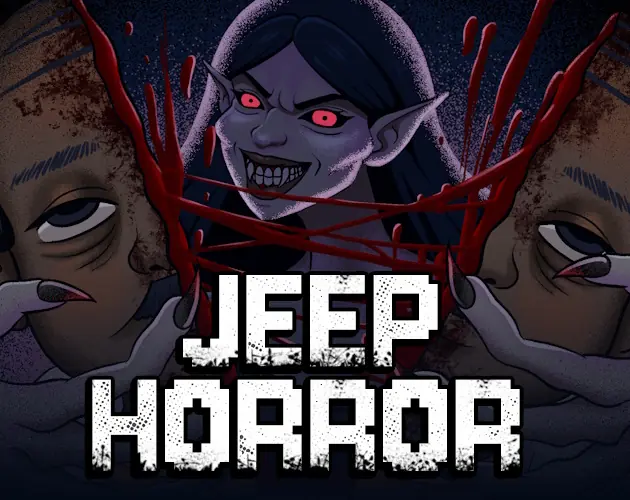
Play Don’t Look Back online
Don’t Look Back is a school-set psychological romance visual novel about a day that insists it is normal. You wake up, go to class, speak to people you know, and try to act like every pause has an easy explanation. The browser player above lets you start Don’t Look Back online without a desktop install, which makes it simple to read the Day One demo, revisit a tense choice, or compare how another answer changes the mood.
The hook of Don’t Look Back is restraint. It does not begin by shouting that something is wrong. Instead, Don’t Look Back lets ordinary school routines feel slightly too careful. A conversation lands a little heavily. A silence lasts a little longer than expected. A friendly sentence leaves behind a question the player cannot ignore.
That quiet discomfort is why Don’t Look Back works as a psychological romance visual novel. The story understands that a classroom can feel safe and unsafe at the same time. Don’t Look Back turns small social decisions into pressure points, so the player keeps wondering whether a harmless choice is only harmless because no one has reacted yet.
What Don’t Look Back is about
Don’t Look Back follows a protagonist moving through a school day where everyone behaves as if things are fine. Classes happen. People talk. The day keeps going. Under that surface, Don’t Look Back builds tension around unresolved feelings, friendship strain, attraction, jealousy, and the fear of saying the wrong thing at the wrong time.
The current Don’t Look Back demo focuses on Day One, but it already gives the story enough space to establish its rhythm. The demo is built around roughly 15,000 words, two romantic interests, and more than 10 CG illustrations. That makes Don’t Look Back feel like a real first chapter rather than a quick teaser, especially if you replay to read different responses.
The planned full story is expected to cover three in-game days, so Don’t Look Back is clearly structured around escalation. Day One introduces the social map: who seems close, who seems guarded, and which conversations are pretending to be casual. Don’t Look Back is strongest when you let those details accumulate instead of rushing straight to the next choice.
How Don’t Look Back plays
Don’t Look Back uses familiar visual novel controls. Click or tap to advance dialogue, choose responses when the story branches, and use the in-game menu to save before choices that feel important. On desktop, Don’t Look Back is easiest to read in fullscreen because character art, text, and CG scenes have more room.
Choices in Don’t Look Back are not only about picking the obvious romantic line. Sometimes the important decision is whether to be honest, avoid conflict, lean into a joke, or pretend you did not notice the tension. Don’t Look Back rewards attention to tone because a small answer can change whether a scene feels comforting, awkward, manipulative, or dangerous.
The best first run of Don’t Look Back is an honest one. Choose what feels natural, reach the end of the demo, then replay with a sharper eye. Once you know where one path leads, earlier conversations in Don’t Look Back can feel different. A casual line may become a warning. A smile may look rehearsed. A normal classroom may feel less normal.
Routes, CGs, and replay value
Don’t Look Back currently gives players two romantic interests to watch, question, and respond to. The romance is not only cute or dramatic; it is tied to emotional pressure. Don’t Look Back uses affection, insecurity, and social tension to make the routes feel unstable in a way that fits the yandere and psychological visual novel audience.
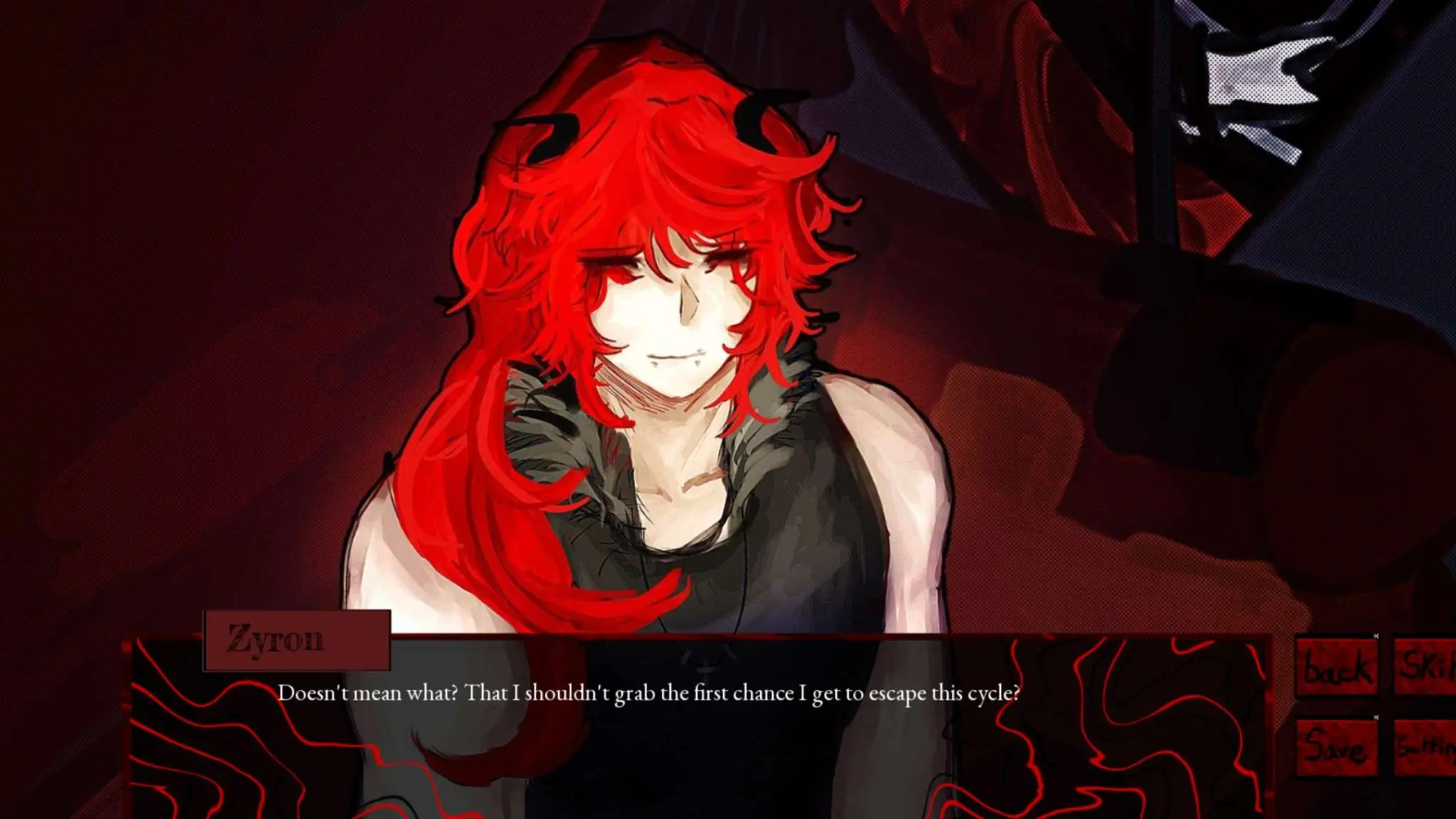
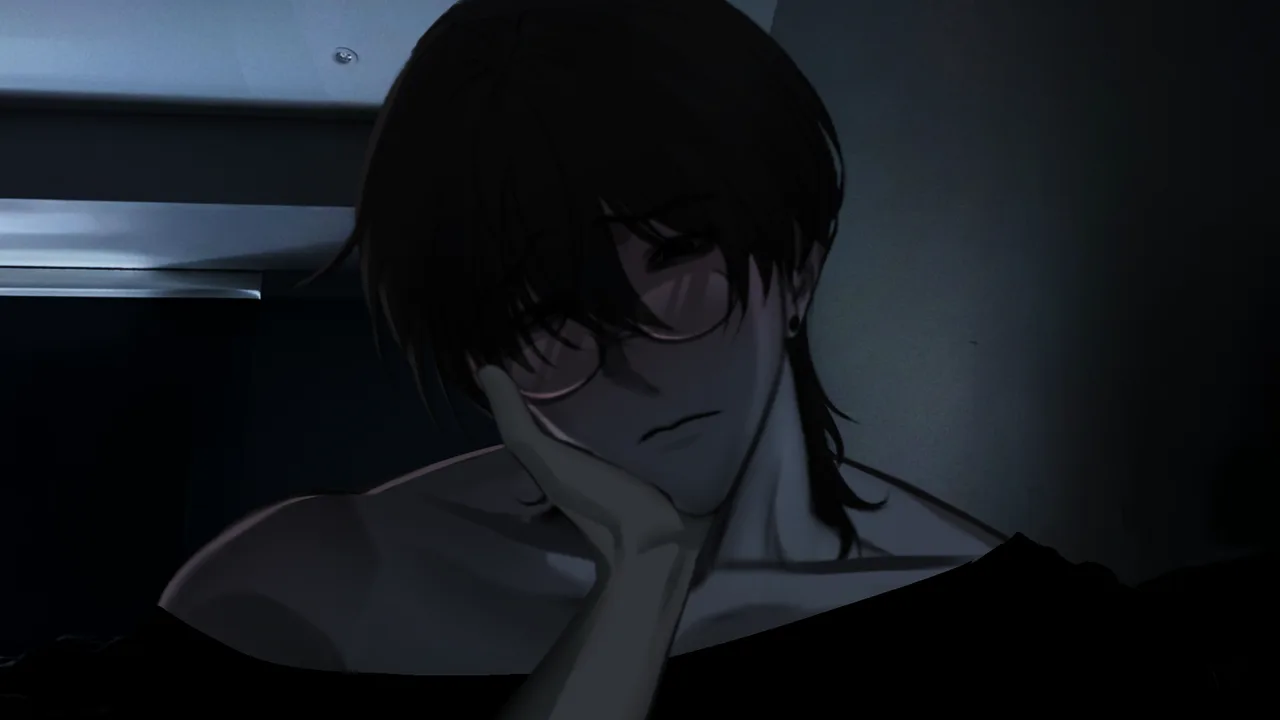
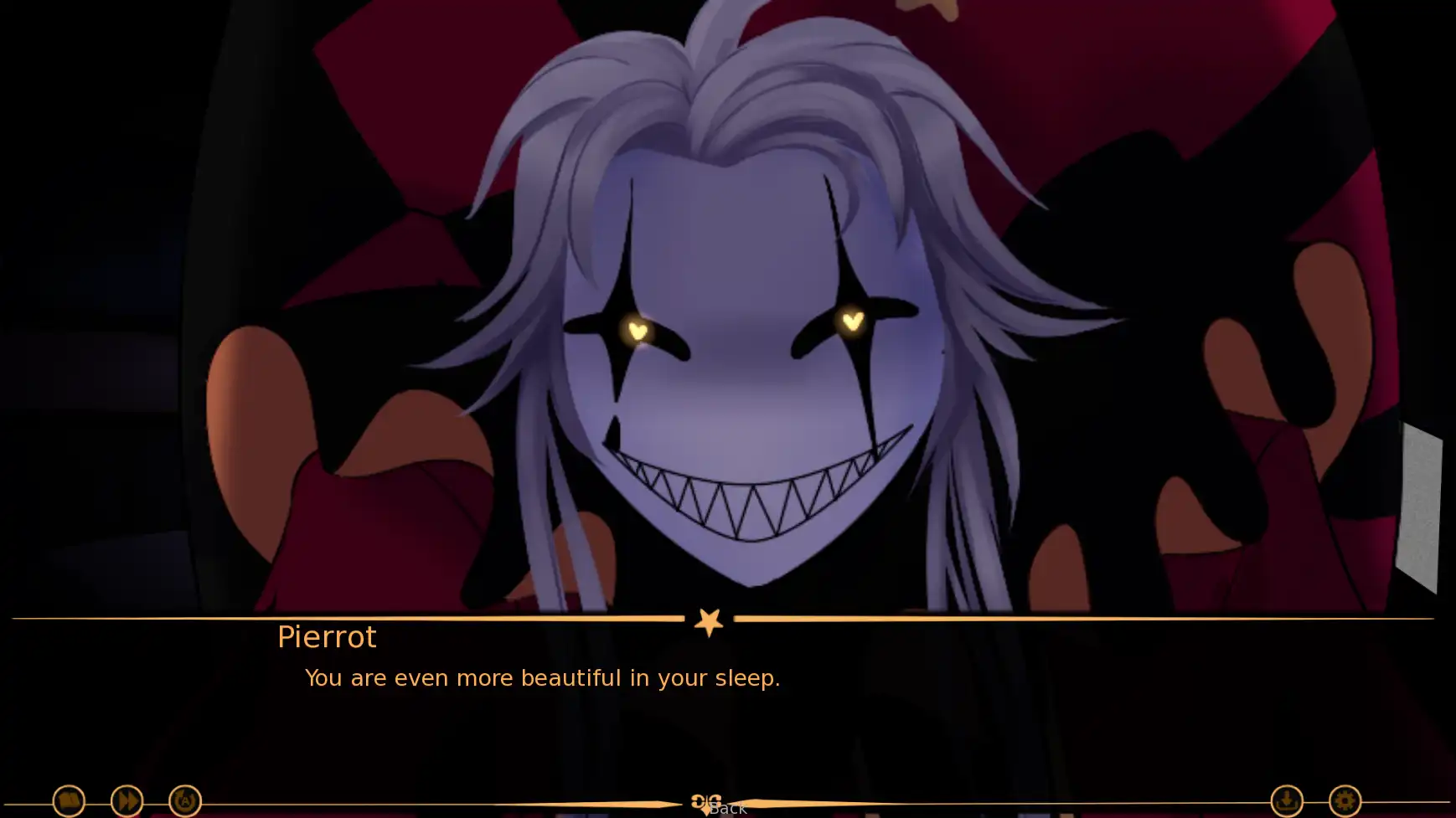
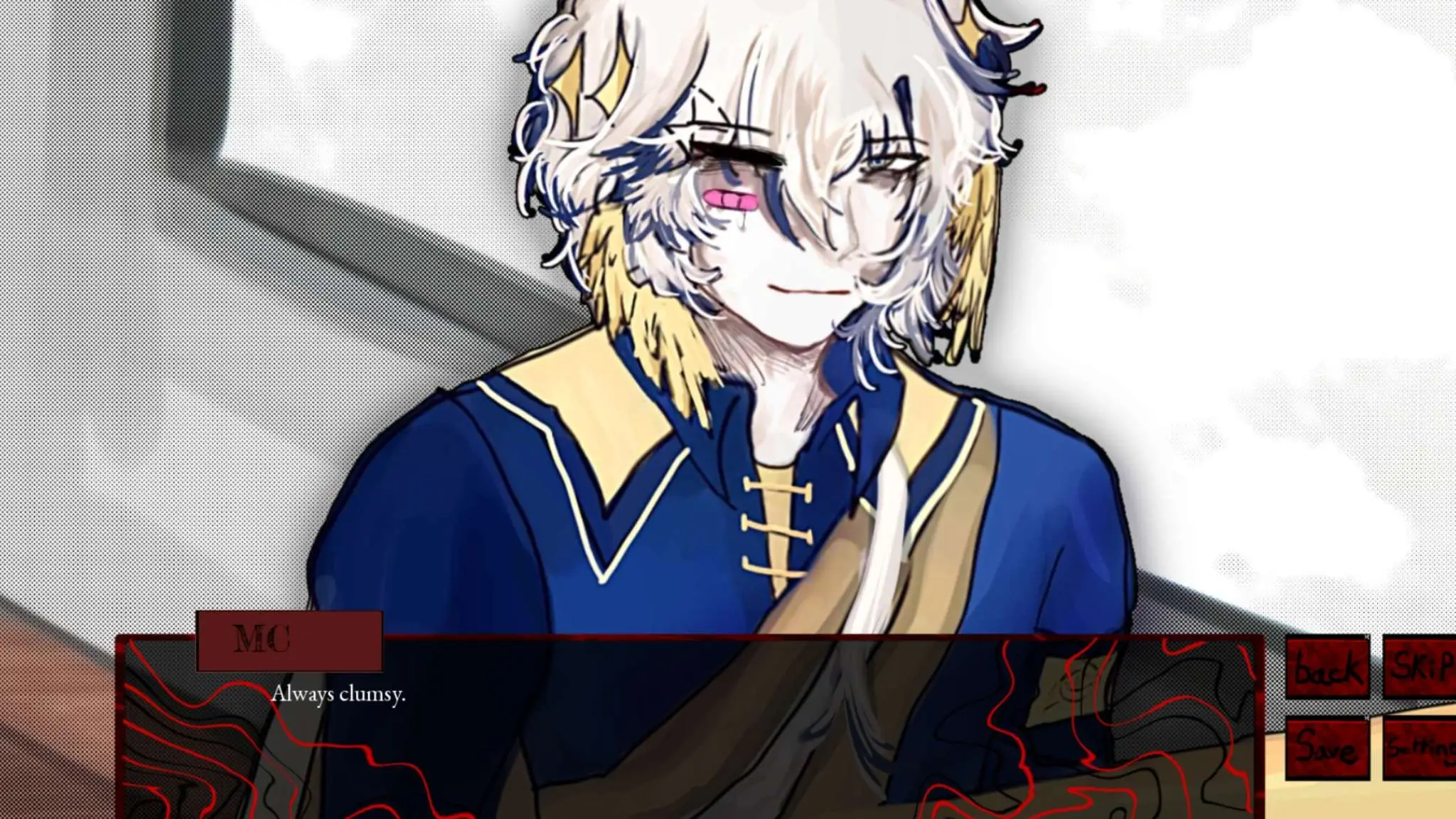
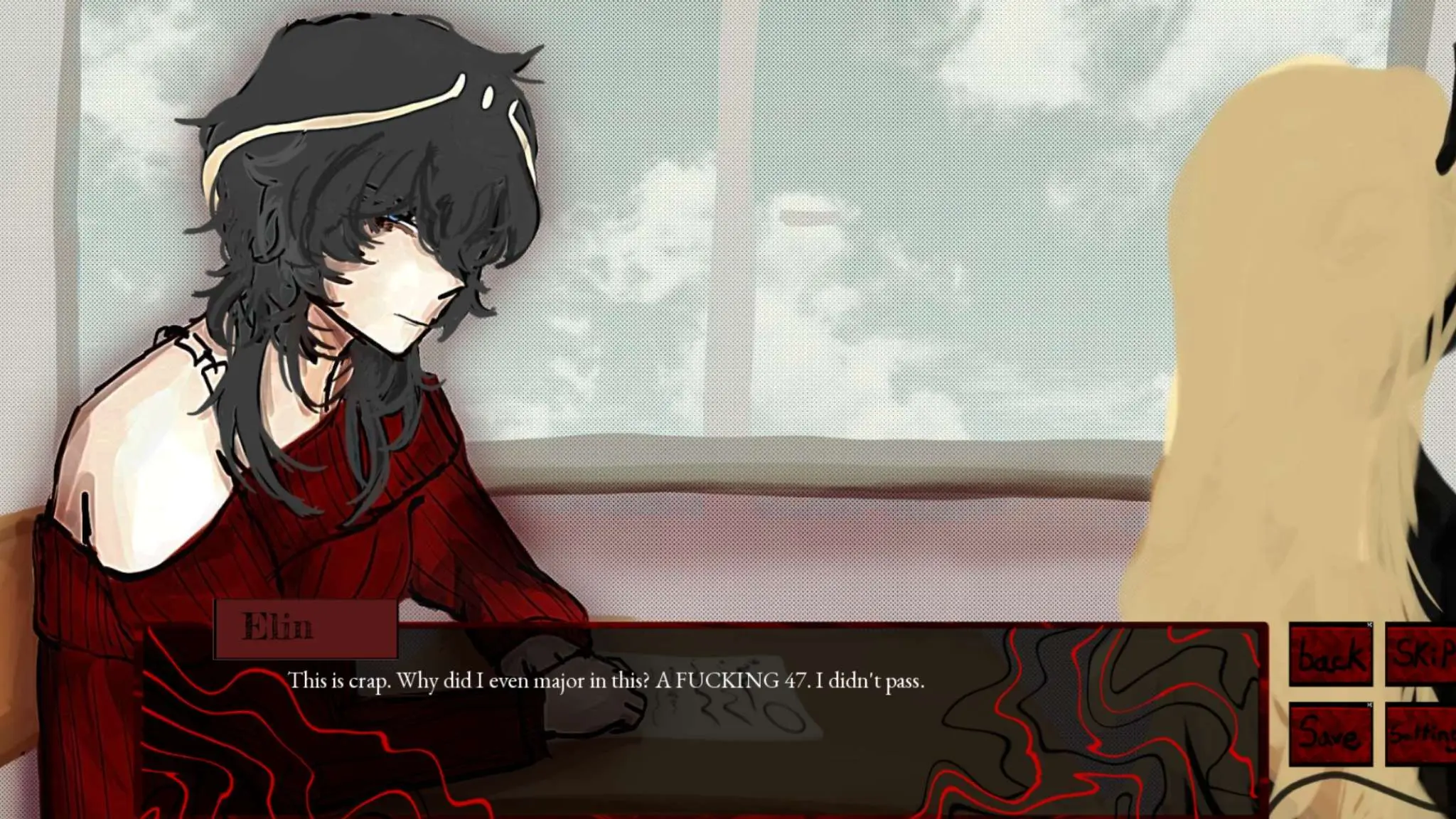
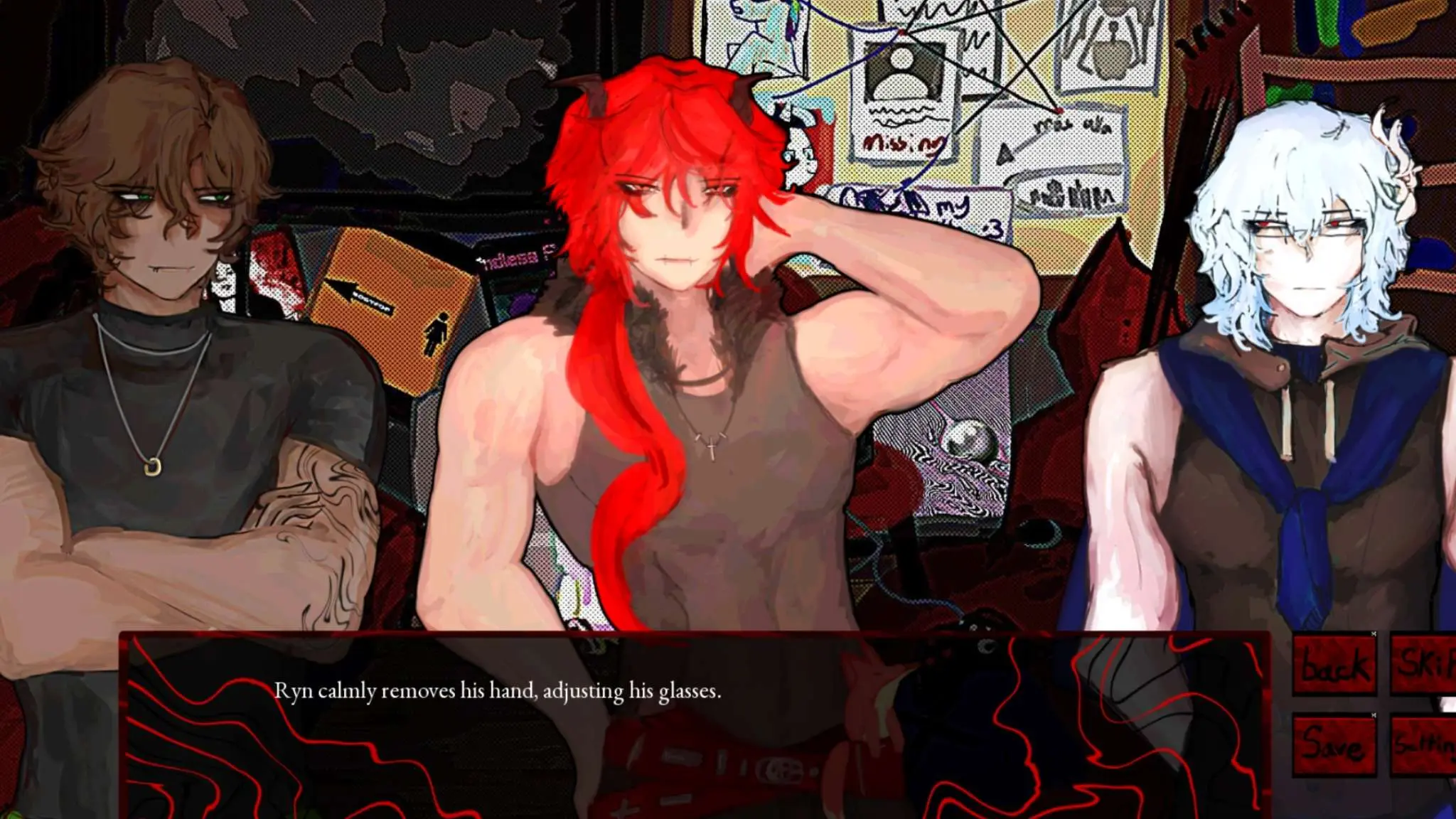
The more than 10 CG illustrations give Don’t Look Back important visual emphasis. CG moments can make a scene feel warmer, stranger, or more serious than the surrounding dialogue. They also make replaying Don’t Look Back more rewarding, because alternate choices may change which emotional beats stand out.
Replay value comes from suspicion. After one run, Don’t Look Back encourages you to ask what was hidden in plain sight. Did someone speak too carefully? Did a joke cover an actual wound? Did you avoid a conflict that will matter later? Don’t Look Back turns those questions into the reason to return.
Browser and mobile tips
Press Play, wait for Don’t Look Back to load, then click inside the frame if input does not respond right away. Some browsers require the embedded player to receive focus before keyboard or mouse input works. If Don’t Look Back shows a black screen, refresh once, disable strict blockers for this page, or use the player controls to open the game in a separate tab.
Sound in Don’t Look Back may depend on browser autoplay rules. Interact with the frame once, then check tab volume, device volume, and mute settings. If progress does not persist, remember that browser saves may rely on local storage. Avoid private browsing and avoid clearing site data while you are still exploring Don’t Look Back choices.
Desktop play is usually the most comfortable option for Don’t Look Back because the visual novel depends on reading, menu use, and CG viewing. Mobile browsers may still load the embedded player, but text size, touch input, audio, and save behavior can vary. If you try Don’t Look Back on a phone or tablet, rotate to landscape and use fullscreen before starting.
Content warning for Don’t Look Back
Don’t Look Back may look calm at first, but it includes material that may not be suitable for every player. Content warnings include bullying, references to violence, strong language, emotional distress, mental health struggles, manipulation, unhealthy relationships, and possible future character death. Player discretion is advised before starting Don’t Look Back.
The tone matters because Don’t Look Back uses ordinary school scenes to approach uncomfortable subjects. A quiet hallway, a normal class, or a familiar friend can carry more tension than expected. If those themes are not right for you right now, choose a lighter visual novel and return later.
This page is an independent browser-play guide for Don’t Look Back. It is written to help players launch the game, understand the current demo, and decide whether the content fits their mood before reading. Because Don’t Look Back depends on subtle escalation, this guide avoids explaining exact route outcomes or late-scene reveals.
Why play Don’t Look Back
Play Don’t Look Back if you like visual novels where the horror comes from social pressure rather than sudden noise. The school setting makes Don’t Look Back easy to enter, but the writing makes the day feel unstable. Everyone may act like things are fine, yet the player is trained to notice when fine sounds rehearsed.
The strongest reason to try Don’t Look Back is its confidence in small moments. It knows that one answer, one pause, or one unfinished thought can change the emotional direction of a scene. Don’t Look Back is compact, tense, replayable, and built for players who enjoy romance stories with hidden consequences, psychological unease, and choices that seem ordinary until they are not.
Don't Look Back Screenshots
Don't Look Back Videos
Don't Look Back FAQ
What is Don't Look Back?
Don't Look Back is a school-set psychological romance visual novel about a day that looks ordinary while choices, relationships, and hidden tension start to matter.
Can I play Don't Look Back online?
Yes. This page embeds a browser-ready build of Don't Look Back so you can start the visual novel without installing a desktop file.
How long is the Don't Look Back demo?
The current Don't Look Back Day One demo is built around roughly 15,000 words, with more story planned as development continues.
Does Don't Look Back have romance routes?
Yes. Don't Look Back currently presents two romantic interests, and choices can shift the emotional direction of those relationships.
Does Don't Look Back include CG artwork?
Yes. Don't Look Back includes more than 10 CG illustrations in the current demo, giving key scenes a stronger visual focus.
Is Don't Look Back suitable for everyone?
No. Don't Look Back includes bullying, references to violence, strong language, emotional distress, mental health struggles, manipulation, unhealthy relationships, and possible future character death.