To Eat a God
Launching To Eat a God
Preparing the browser build...
To Eat a God

Play To Eat a God online
To Eat a God is a dark fantasy visual novel where the player is not allowed to feel safely outside the story. You guide a living puppet into the Garden of Gods, a controlled world built around Symbols, worship, obedience, and rules that are easier to break than they first appear. The browser player above lets you start To Eat a God online, read the opening scenes, and test routes without setting up a desktop download.
The first thing to understand about To Eat a God is that the puppet is a role, not a normal hero. The character you control has been offered to the Garden, but the gods must not realize how closely the puppet is tied to you. To Eat a God turns basic dialogue into a disguise test. A line that sounds too curious, too independent, or too aware can make the divine cast wonder what is hiding behind the performance.
That is why To Eat a God works as a meta visual novel. The story is not only asking whether you can romance, obey, escape, or survive. To Eat a God asks whether you can keep acting like the puppet while the world pushes against the fourth wall. If you enjoy fantasy horror, yandere tension, and visual novels where the game seems to look back at you, To Eat a God is built around that pressure.
For a first run, play To Eat a God slowly. Read every instruction as if it could be a trap, and do not treat the gods like ordinary route characters. To Eat a God rewards players who notice tone, repetition, and strange comments about the world itself. The safest answer may not be the kindest answer, and the honest answer may not be safe at all.
What To Eat a God is about
To Eat a God begins in the Garden, a place shaped as a test and watched over by powerful beings called Symbols. The puppet arrives inside that system as a gift, a tool, and a possible mistake. On paper, the puppet should obey. In practice, To Eat a God keeps asking what happens when a controlled object begins to show signs of a will that should not exist.
The Garden gives To Eat a God its central contradiction. It can look beautiful, ceremonial, and almost peaceful, but that calm depends on rules. The gods know what a puppet is supposed to do. They know what devotion should sound like. They know when something feels wrong. To Eat a God makes the player live inside that contradiction: you need to move the story forward, but every choice risks revealing the presence behind the puppet.
The title also carries the game’s central question. In To Eat a God, being consumed is not the only possible end. The story keeps circling around sacrifice, appetite, worship, possession, and reversal. Can the puppet remain harmless? Can the gods remain in control? Can the player find a route where the puppet is not simply used up? To Eat a God turns those questions into route pressure rather than simple exposition.
The gods in To Eat a God
The divine cast is the reason To Eat a God feels unstable. Unum is connected to the sun and has a bright, impulsive energy that can become threatening when excitement slips into aggression. In To Eat a God, Unum can feel innocent for a moment, then remind the player that a childish god is still a god. His route works best when you watch how quickly warmth can change shape.
Septem is the ruler of the Garden and one of the sharpest sources of pressure in To Eat a God. He is orderly, controlling, and serious about the structure around him. That makes Septem dangerous in a different way from Unum. In To Eat a God, Septem’s attention can feel like inspection. If the puppet fails to behave as expected, the problem is not only emotional. It becomes a threat to the Garden’s order.
Nulla brings the void into To Eat a God. He is tied to absence, distance, and knowledge that makes the world feel less stable. Nulla’s presence changes the scale of the story because he seems closer to truths the puppet is not meant to handle. In To Eat a God, Nulla can make the player feel watched from a deeper layer, as if the route is not only about romance or fear, but about who understands the rules of the game.
These three characters give To Eat a God its strongest replay hook. Each god reads the puppet differently, and each route makes the same premise feel less certain. To Eat a God does not use divinity as simple decoration. It uses divine personalities to turn attraction, obedience, jealousy, and suspicion into a system the player has to survive.
How To Eat a God plays
To Eat a God follows familiar visual novel habits, but the choices carry unusual weight because the story is about maintaining a mask. Click or tap to advance text, read scene details carefully, and choose responses that fit the puppet’s expected role. On desktop, keyboard input can make To Eat a God easier to read during long scenes, especially if you prefer advancing dialogue without moving the mouse constantly.
The best way to play To Eat a God is to think about persona before preference. In many visual novels, you can choose the line you personally like. In To Eat a God, that instinct can become risky. The puppet should not always sound like a modern player, a rebel, or someone who knows too much. To Eat a God makes roleplaying practical: the performance is part of survival.
Choices in To Eat a God also matter because the game uses meta tension. Characters may speak in ways that make the screen feel thinner, and the player can start to wonder whether saving, reloading, or route hunting is as private as it feels in other games. To Eat a God is strongest when you let that uncertainty sit instead of trying to solve every scene like a checklist.
Routes, endings, and replay value
To Eat a God is an in-development game with multiple routes, more than 15 possible endings, and a current build large enough to support several hours of reading. That structure makes To Eat a God a strong replay visual novel rather than a one-run story. Your first ending gives you a version of the Garden. Later runs show how much that version missed.
Replay value in To Eat a God comes from route memory. Once you know how one god reacts, earlier lines become more suspicious. A kind answer may look strategic on a second run. A frightening scene may reveal a rule you ignored the first time. To Eat a God wants players to compare routes, not just collect endings. The deeper truth is scattered across divine attention, puppet behavior, and the pieces of lore that do not line up cleanly at first.
Because To Eat a God is still being expanded, players should expect future updates to adjust available routes, scenes, artwork, and story balance. That is part of following To Eat a God right now. The current experience already has a large cast, many CG moments, and enough endings to make route order feel meaningful, but the Garden is not presented as finished forever.
Art, atmosphere, and language
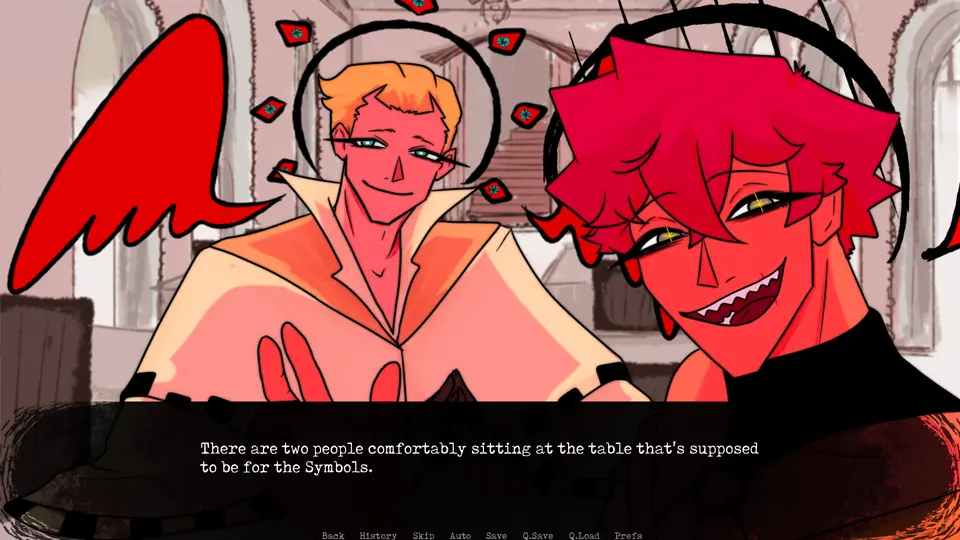
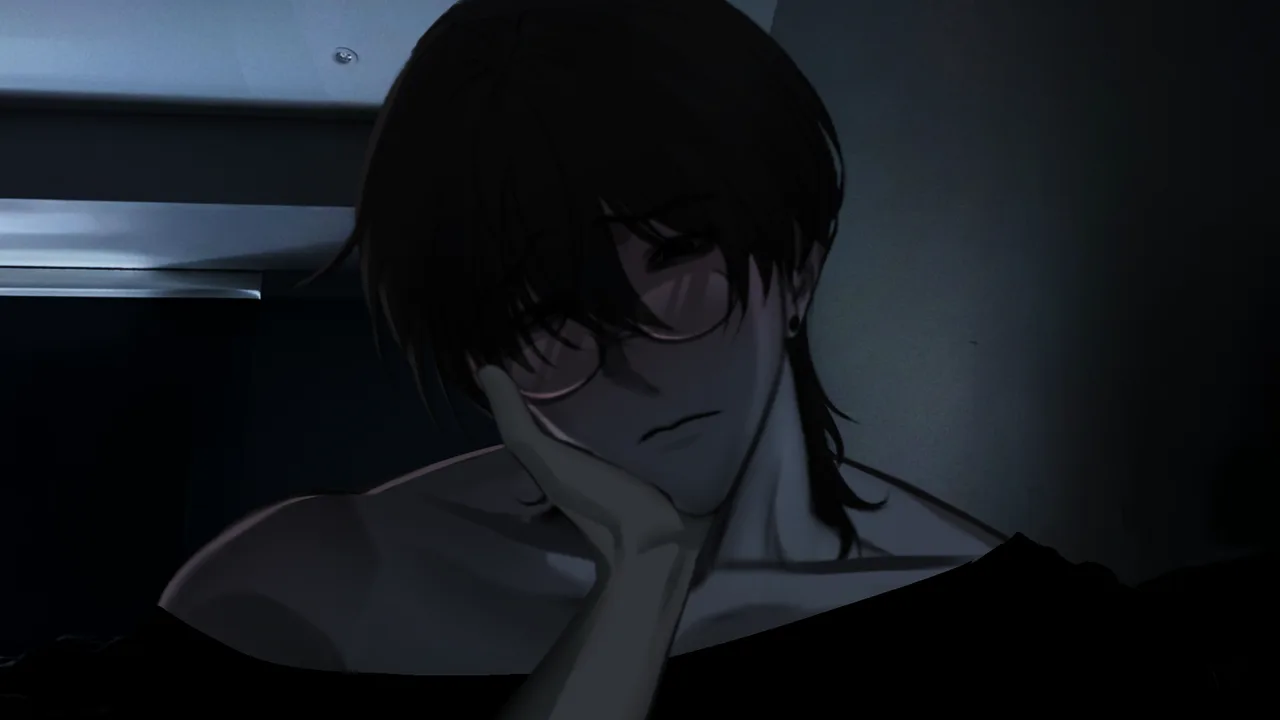
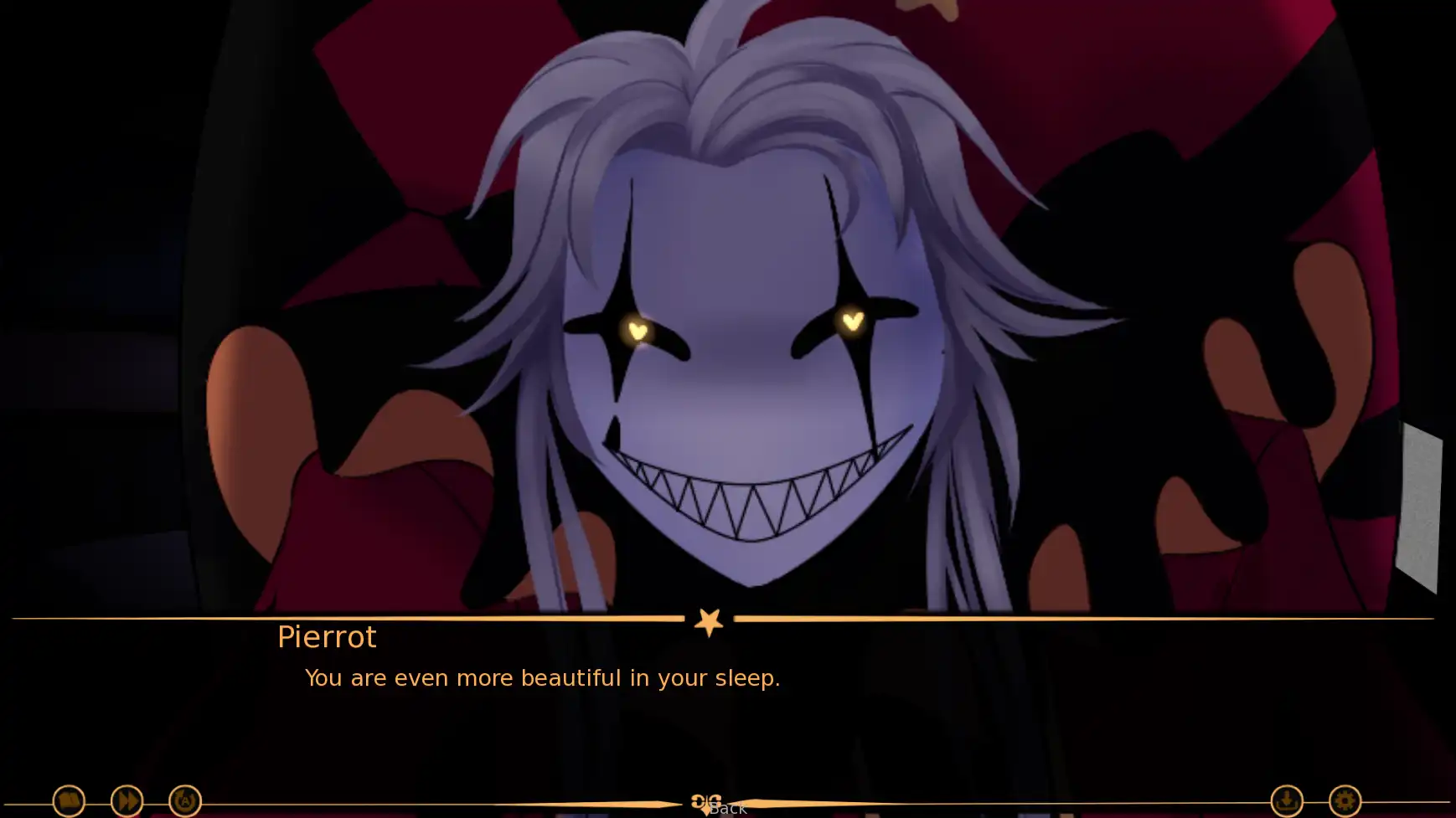
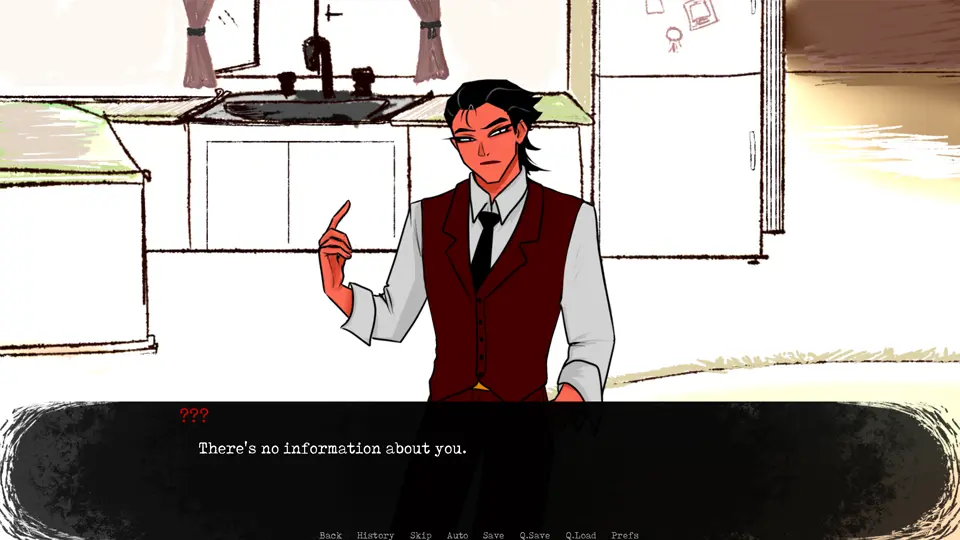
To Eat a God has a hand-drawn visual novel style that suits its strange mix of beauty and threat. The Garden can look soft, ornate, and inviting, while the void and darker scenes push the mood toward gothic fantasy. To Eat a God uses that contrast well: the art can make a scene feel intimate before the writing reminds you that intimacy with a god is never neutral.
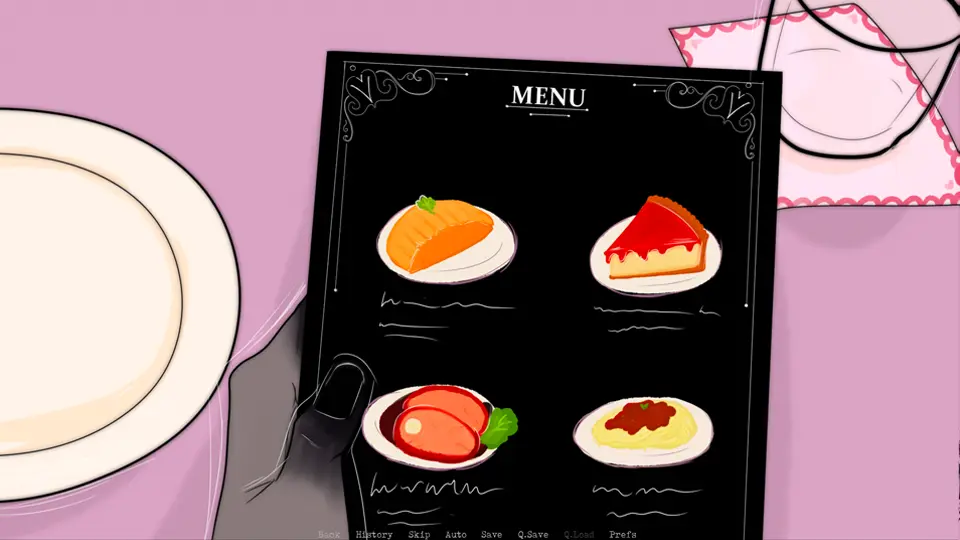
The current build of To Eat a God includes a large amount of original art, character sprites, backgrounds, and CG scenes. That matters because the story depends on facial shifts and atmosphere as much as plot. A god looking pleased is not always comforting. A quiet background can become suspicious once the route has taught you what to fear. To Eat a God uses visual detail to make the player study the screen, not simply read through it.
Language support can vary by build, so check the in-game Preferences menu before starting a long run of To Eat a God. The visual novel has been presented with English and Spanish options, while additional localization has been discussed for future updates. If language settings matter for your route notes, set them before you begin To Eat a God so names, terms, and menu labels stay consistent across saves.
Browser and mobile tips
Press Play, wait for To Eat a God to load, then click inside the frame if input does not register. Visual novels can take a little longer to prepare than small arcade games because To Eat a God needs scripts, images, menus, audio, and save data before the first scene feels smooth. If the screen stays black, refresh once, disable strict blockers for this page, or use the player controls to open To Eat a God in a separate tab.
Desktop is the most comfortable way to read To Eat a God. The game has long scenes, detailed character art, and menu choices that benefit from space. Mobile browsers may load To Eat a God, but touch behavior, sound, screen scaling, and save persistence can vary by device. If you try To Eat a God on a phone, rotate to landscape, use fullscreen, and avoid private browsing if you want local progress to stay available.
If sound seems missing in To Eat a God, interact with the frame once and check browser autoplay settings, tab volume, and device volume. If progress disappears, remember that browser saves often depend on local storage. Clearing site data, using private mode, or switching browsers can affect To Eat a God saves, so keep important route notes outside the browser if you are chasing endings.
Content notes
To Eat a God is intended for older players who are comfortable with dark fantasy, unhealthy relationships, disturbing imagery, harsh language, violence, blood, gore, and death. The story also uses obsession, control, worship, and emotional pressure as part of its route design. If those themes are not what you want right now, skip To Eat a God and return when you are in the mood for a heavier visual novel.
This page is an independent browser-play page and spoiler-light guide for To Eat a God. It is not an official developer page. To Eat a God characters, artwork, writing, music, and original materials belong to their respective creators and rights holders. The purpose here is to help players launch To Eat a God online, understand the basic premise, and avoid starting the Garden without content context.
Why play To Eat a God
Play To Eat a God if you like visual novels that turn the player role into part of the horror. The game is not only about choosing a route through attractive and dangerous gods. To Eat a God is about noticing when the story notices you back. That idea makes ordinary choices feel exposed, especially when the puppet’s mask starts to look thin.
The strongest part of To Eat a God is how it mixes romance, fear, fantasy, and fourth-wall pressure without making the premise feel simple. Unum, Septem, and Nulla are not just different moods for the same route formula. Each one changes how the Garden reads the puppet. Each one makes To Eat a God ask whether survival means obedience, deception, affection, or something much stranger.
The best first run of To Eat a God is not a perfect run. Choose carefully, let the Garden surprise you, and accept that one ending will not explain everything. Then replay To Eat a God with sharper suspicion. Watch the gods, protect the puppet’s role, and remember that in To Eat a God, the line between being eaten and eating back is never as clean as it looks.
To Eat a God Screenshots
To Eat a God Videos
To Eat a God FAQ
What is To Eat a God?
To Eat a God is an in-development dark fantasy visual novel about a living puppet sent into the Garden of Gods, where divine characters test your role, your loyalty, and your ability to hide the player behind the story.
Can I play To Eat a God online?
Yes. This page embeds a browser-ready build of To Eat a God so you can launch the visual novel without downloading a desktop file.
How long is To Eat a God?
The current build is a multi-hour visual novel. Players who read carefully and explore routes, endings, and character scenes should expect more time than a single quick session.
How many endings does To Eat a God have?
To Eat a God is known for more than 15 possible endings in the current in-development release, so replaying routes is part of understanding the Garden.
Who are Unum, Septem, and Nulla?
Unum is tied to the sun, Septem rules the Garden, and Nulla is connected to the void. Each one treats the puppet differently, but all three can become dangerous when the role breaks.
Is To Eat a God for younger players?
To Eat a God is intended for older teen players and above, with unhealthy relationships, harsh language, disturbing imagery, violence, blood, gore, and death among its content warnings.
Does To Eat a God work on mobile?
The embedded To Eat a God player may load in mobile browsers, but desktop is usually more comfortable for long reading, menus, saves, audio, and detailed visual novel scenes.